Forty children who went missing from UK asylum hotels remain unfound
Forty people who disappeared as children from hotels used to house asylum seekers in the UK have still not been located, according to a parliamentary report published in late August 2026. Two of them are believed to remain under 18, while the rest have now reached adulthood. The figures have prompted renewed calls from MPs, […]
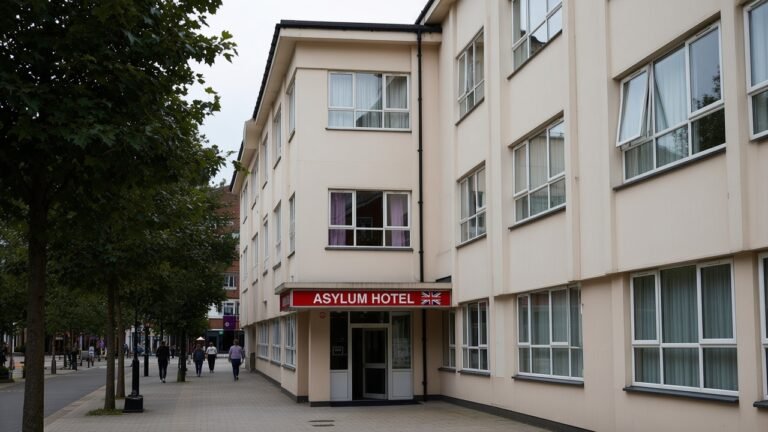
Forty people who disappeared as children from hotels used to house asylum seekers in the UK have still not been located, according to a parliamentary report published in late August 2026. Two of them are believed to remain under 18, while the rest have now reached adulthood. The figures have prompted renewed calls from MPs, peers and child protection advocates for the government to explain what concrete steps it is taking to find them and to prevent similar disappearances in future.
The numbers come from evidence given to the Joint Committee on Human Rights. Helen Waite, a director of children’s social care at the Department for Education, told the committee in June 2026 that a total of 472 unaccompanied asylum-seeking children had gone missing from Home Office hotels. Of those, 432 had since been located, leaving 40 still unaccounted for. The committee, which examined wider failures in the children’s social care system, said it welcomed the fact that the majority had been found but remained “extremely concerned” about those who had not.
The issue first came to public attention in 2023, when it emerged that more than 440 unaccompanied children—some reported to be as young as 12—had gone missing from hotels used by the Home Office. At the time, the Conservative government defended the use of hotels as a temporary measure driven by a sharp rise in Channel crossings, while local authority placements were sought. The High Court later ruled that the routine practice of placing lone child asylum seekers in hotels was unlawful. Home Office-operated accommodation specifically for unaccompanied asylum-seeking children closed in January 2024.
Some of those who were later found had been discovered in exploitative situations. Dame Angela Eagle, writing to the committee the previous year while serving as border security and asylum minister, stated that some individuals located “may have been trafficked or victims of other forms of exploitation.” Campaigners have long warned that unaccompanied children are particularly vulnerable to trafficking networks once they leave official accommodation.
The Joint Committee on Human Rights has pressed for greater transparency and action. It called on the Home Office to “make clear what specific action is being taken to locate these children, to investigate the causes for them going missing, and to avoid unaccompanied asylum-seeking children going missing in the future.” The committee also requested quarterly updates detailing efforts to find those who remain missing. In its wider report on the human rights of children in the social care system, the committee described the unresolved cases as “an extremely concerning situation that has been developing for years without resolution.”
England’s Children’s Commissioner, Dame Rachel de Souza, described the ongoing disappearances as an “unacceptable failure.” She emphasised that every child arriving in the country has the right to apply safely for asylum and to receive shelter and support while doing so, and she urged the government to set out the action it is taking both to locate those still missing and to stop the problem recurring.
Patricia Durr, chief executive of Every Child Protected Against Trafficking UK (ECPAT UK), echoed the call for sustained public scrutiny. She described the situation as a “significant child protection failure” and backed the committee’s demand for regular public reporting and greater transparency about efforts to find the missing, understand why so many disappeared, and ensure it does not happen again.
A government spokesperson responded that the safety and wellbeing of children is paramount and that any child going missing is taken extremely seriously. The statement noted that Home Office-operated accommodation for unaccompanied asylum-seeking children closed in January 2024 and that the vast majority of those reported missing from those settings have since been located. Police forces remain responsible for investigating missing children cases, with the Home Office reviewing records, sharing information, and working with local authorities and safeguarding partners.
The episode sits against a broader backdrop of pressure on the asylum system and repeated attempts to move away from hotel accommodation. Under the previous Conservative government, the number of asylum hotels peaked at around 400. The current Labour administration has pledged to end the use of hotels for asylum seekers entirely before the next general election, shifting towards more basic sites including former military barracks. In the weeks before the committee’s report, ministers announced the closure of a further 13 hotels, expected to save £51 million and bring the total number of sites below 160. Overall hotel numbers for asylum seekers had already fallen sharply, with figures showing a significant year-on-year reduction.
Critics argue that the use of hotels for unaccompanied children created particular safeguarding risks. Children placed in such settings often had limited supervision compared with local authority care placements, and some reports from earlier years suggested that organised networks targeted vulnerable young people shortly after arrival. Separate data from Kent, a primary entry point for small-boat arrivals, has previously shown dozens of children still missing from local authority care and reception centres, with Albanian, Afghan and Iranian nationals among the larger groups affected in certain periods. While those figures are distinct from the hotel cohort tracked by the Joint Committee, they illustrate wider challenges in protecting unaccompanied minors.
The 40 remaining cases represent a small fraction of the original total of 472 missing episodes, yet their unresolved status continues to raise questions about accountability, inter-agency coordination and the long-term tracking of vulnerable young people once they leave official systems. Most of those still missing are now adults, which changes the legal and practical framework for locating them, but the two who remain children underline the ongoing child-protection dimension.
For the families and communities connected to these young people, and for the wider public debate on asylum and safeguarding, the absence of definitive answers after several years is stark. The parliamentary committee’s insistence on quarterly updates and a clear account of investigative work reflects a determination that the issue should not slip from view. Whether those mechanisms produce further progress, and whether lessons from the hotel period translate into stronger protections for unaccompanied children in other forms of accommodation, will be closely watched in the months ahead.
The government’s position is that the specific hotels for unaccompanied children have been closed and that the majority of cases have been resolved through police and local authority efforts. Child-protection organisations and the parliamentary committee maintain that 40 unresolved cases—especially those involving people who were children when they disappeared—demand continued, transparent action. The gap between those perspectives defines the current state of the issue: most of the missing have been found, yet a significant number have not, and the reasons they vanished and their present whereabouts remain incompletely understood.